Easy Thai Peanut Noodles | Elizabeth Rider


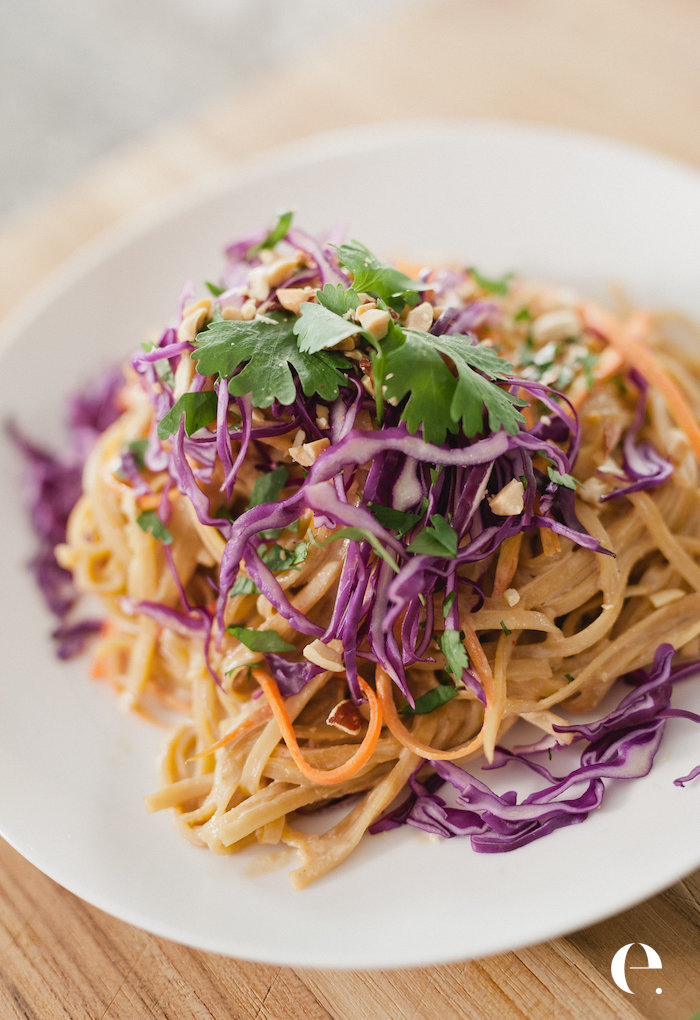
These healthy Thai peanut noodles are one of the easiest, most satisfying meals you can make at home. They’re creamy, savory, slightly sweet, and come together in about 20–30 minutes with simple pantry ingredients.
If you’ve ever ordered peanut noodles for takeout, this version gives you the same comfort and flavor—made with better ingredients and a lot more control over what goes into it.
This recipe works for weeknights, meal prep, or anytime you want something quick and delicious.
Why You’ll Love Thai Peanut Noodles
- It works well for meal prep, and the leftovers are just as good the next day
- This recipe is naturally gluten-free and dairy-free, and it can easily be made fully vegan
- It comes together in 30 minutes or less, making it perfect for busy weeknights
- It’s balanced, satisfying, and actually keeps you full
- The flavors are rich and comforting, but still feel fresh and light
This healthy Thai peanut sauce is good on just about anything and freezes well, so consider doubling the sauce to use later on. It will keep in the fridge for about a week. For a noodle-less version, check out my Thai Peanut Superfood Slaw here.
Peanut noodles like this have become widely popular in the U.S. While they’re inspired by Thai flavors, this is a simplified, at-home version made with accessible American grocery store ingredients.
Think of it as a practical, everyday take on those flavors: easy to make, flexible, and designed for real life.

Easy Thai Peanut Noodles Ingredients
Peanut sauce ingredients:
- Peanut butter (unsweetened)
- Soy sauce or tamari
- Fresh lime juice
- Fresh garlic and ginger
- Toasted sesame oil
- A touch of sweetness (optional: use honey, maple syrup or brown sugar)
- Warm water to thin it out
- Optional for heat: hot sauce (like Sriracha) or a hot pepper
For the noodles, use whatever works best for you:
- Brown rice noodles (my go-to) or any rice noodles
- Soba noodles
- Whole-grain spaghetti or long thin pasta
- Zucchini noodles or carrot ribbons for a lighter option
- Brown rice or cauliflower rice for a bowl-style version
- Or, make Thai Peanut Slaw instead
Garnishes: Choose 2 to 3 garnishes to keep it simple, or use whatever you have on hand. Great options include crushed peanuts, scallions, sesame seeds, cilantro, cucumber, shredded carrots, cabbage, bell pepper, lime wedges, or a drizzle of hot sauce (I’d choose Sriracha).
How to Make Thai Peanut Noodles
- Cook noodles according to the package instructions. For rice noodles, soak in hot water or boil briefly until tender, then drain well.
- While the noodles cook, add the sauce ingredients to a blender and blend until smooth and creamy. Add a splash of water if needed to thin the sauce.
- If you don’t have a blender, finely grate the garlic and ginger, then whisk everything together in a large bowl until smooth.
- Slice or shred your vegetables such as carrots, purple cabbage, cucumbers, broccoli, or peas for fresh crunch and color.
- Add the warm noodles to a large bowl and toss with the sauce until evenly coated.
- Top the dish with your favorite ways to garnish: crushed peanuts, green onions, cilantro, cucumbers, or extra cabbage.
- Add tofu, cooked chicken, or shrimp if you’d like more protein.
- Store leftovers in an airtight container in the refrigerator. Add a splash of water before serving again if needed.
Choosing the Best Peanut Butter
Peanut butter is the base of the sauce for that great peanut flavor, so quality matters. Look for unsweetened peanut butter with no added oils or sugar. If possible, the ingredient list should simply be peanuts.
If your store has a fresh grinder, that’s a great option. Otherwise, just choose the best-quality jar you can find.
Easy Substitutions if Peanut Butter Doesn’t Work for You:
- Almond butter for a slightly lighter flavor
- Sunflower seed butter for a nut-free option
- Cashew butter for extra creaminess
Tips for the Best Thai Peanut Noodles
- Thin the sauce with warm water or lime juice until it’s smooth and pourable
- Toss the noodles while they’re still slightly warm so they absorb the sauce
- Finish with herbs like cilantro or green onion (aka scallions), lime wedges, more carrots, bell peppers, cucumber, cabbage, or any veggies you prefer
- Make it your own! Add roasted vegetables or a protein like chicken, shrimp, or tofu.
Make-Ahead and Storage
- Store in an airtight container the fridge for up to 4–5 days
- The sauce can be made ahead and kept for about a week
- You can freeze extra peanut sauce for later; this recipe is great for meal prep.
This is one of those recipes that’s easy enough for a weeknight but good enough to make again and again.
Print
Description
These Healthy & Easy Thai Peanut Noodles are creamy, savory, and packed with flavor while still being simple enough for a busy weeknight. Made with a quick homemade peanut sauce and your favorite noodles, this easy recipe comes together in about 30 minutes and works well served warm or cold. Naturally gluten-free and dairy-free with easy vegan options, it’s a satisfying meal you’ll want to make again and again.
For the sauce:
Ganish ideas:
- Prepare the noodles according to the package instructions. A general way to cook rice noodles is to soak them in hot water (off the stove, not boiling) until soft for about 5 minutes. Drain and serve hot, or rinse with cold water, as preferred.
- To prepare the sauce, add all of the sauce ingredients to a high-speed blender and puree until smooth. If you don’t have a blender, grate the ginger and garlic, then whisk the sauce ingredients in a bowl until smooth.
- Julienne slice or shred the carrots and purple cabbage.
- Combine the noodles, carrots, and sauce in a large mixing bowl. Top with topping of choice, such as cilantro, more purple cabbage, sliced green onions and/or crushed peanuts.
- Added protein option: Add tofu, cooked chicken, or shrimp for more protein, if desired.
Notes
- *Brown rice noodles can be found in the ethnic aisle at the grocery store. Any rice noodles like Pad Thai noodles are also great.
- **Honey is technically not vegan because it comes from bees. Substitute coconut sugar or coconut nectar if desired.
- Any type of cabbage works well in this recipe.
- Conventional peanuts are stored in large drums and are susceptible to mold. Use organic peanut butter, or substitute with almond butter or even cashew butter. Use sun butter (sunflower seed butter) for a nut-free alternative.
- Add more or less hot sauce to the sauce to make it as spicy as you like.
- This sauce is delicious and can be used on salads or chicken. It will keep in the refrigerator up to one week, and it freezes well.
Frequently Asked Questions
Are Thai peanut noodles healthy?
They can be. This version uses simple, whole-food ingredients and avoids excess sugar and refined oils, making it a more balanced option than takeout.
Can I make this ahead of time?
Yes. The flavors develop over time, so it’s a great make-ahead meal.
How can I add more protein?
Add grilled chicken, shrimp, tofu, or edamame.
A Healthier Take on Takeout
Making recipes like this at home is one of the easiest ways to eat healthier without turning food into a project. You still get all the comfort and flavor you’re craving, but with more control over the ingredients.
When you cook it yourself, you can choose better-quality oils, use fresh ingredients, and adjust the sweetness to your taste instead of getting a sauce that’s overly sugary or heavy. You also know exactly what went into the meal, which is something I always appreciate.
Once you have the sauce down, you can use it on just about anything. If you make it, let me know how it turns out in the comments.