Homemade Cream Cheese with Greek Yogurt (2 Ingredients)

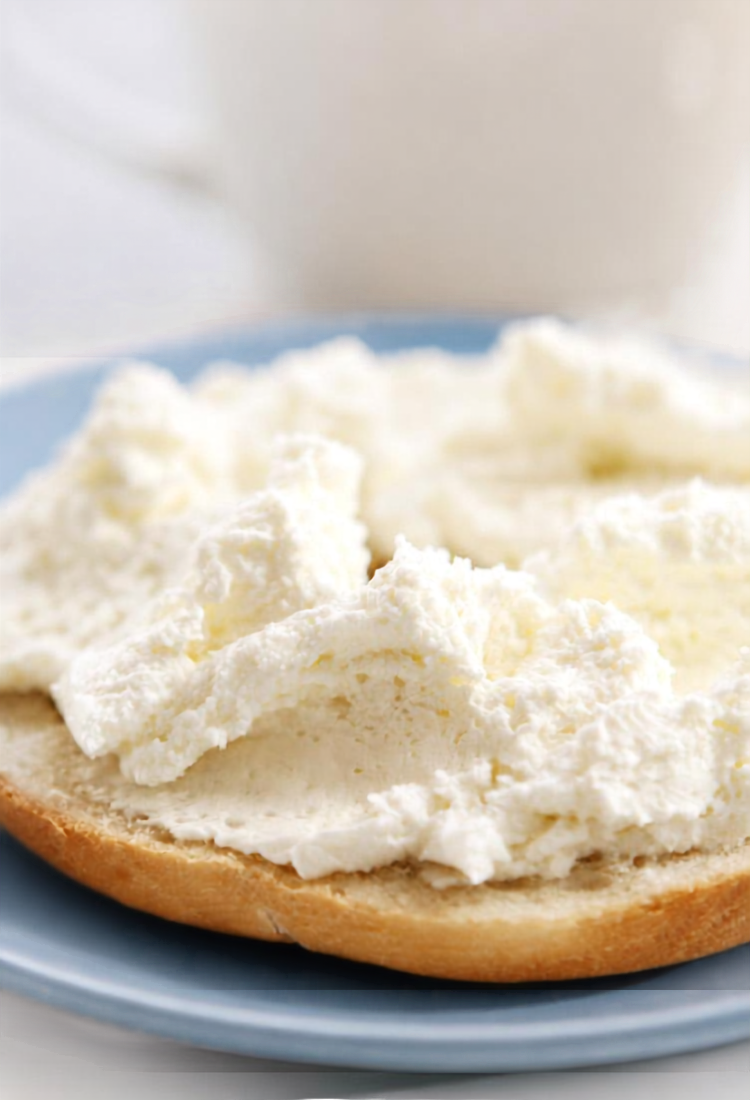
You can make thick, creamy homemade cream cheese with just two ingredients: Greek yogurt and salt. It takes about five minutes of hands-on prep, then the refrigerator does the rest.
This recipe is technically labneh, a traditional Middle Eastern strained yogurt cheese. Labneh is creamy and tangy with a texture similar to cream cheese. I use Fage 5% Greek yogurt, and after straining for 24 to 48 hours, it tastes remarkably similar to the American-style cream cheese you would spread on a bagel.
Use it anywhere you would normally use cream cheese, spread it on toast, add it to a sandwich, or serve it as a savory dip with olive oil and za’atar. Once you see how easy it is to make, you may start keeping a batch in your fridge all the time.
Why You’ll Love This Recipe
- Only two ingredients: All you need is whole-milk Greek yogurt and salt.
- Five minutes of prep: Mix everything together and let it strain in the refrigerator.
- Rich and creamy: Full-fat Greek yogurt gives it the best flavor and a thick, spreadable texture.
- Easy to customize: Serve it simply or add herbs, spices, honey, jam, or any of your favorite cream cheese toppings.
- Very versatile: Use it on bagels and toast, in sandwiches and wraps, or as a dip for vegetables and pita.
What Is Labneh?
Labneh, also spelled labnah, labne, labaneh, or lebne, is a traditional Middle Eastern yogurt cheese. It is made by adding salt to yogurt and straining out the liquid whey until the yogurt becomes thick and spreadable.
If Greek yogurt is strained yogurt, labneh is simply yogurt that has been strained even longer. The extra straining creates a texture that falls somewhere between very thick Greek yogurt and soft cream cheese.
Labneh has been part of Middle Eastern cooking for centuries. It is traditionally served with olive oil and za’atar and eaten with pita, often as part of breakfast or a mezze spread. It can also be rolled into balls and stored in olive oil.
I call this “homemade cream cheese” to describe its familiar taste and texture, but labneh is its own food with a long culinary history. Traditional labneh may be made with goat’s-milk yogurt and tends to be saltier and tangier than this mild Greek yogurt version. If you live in America like me and use Fage 5% yogurt, this tastes remarkably similar to cream cheese!
Ingredients You’ll Need
- Full-fat (Whole-milk) Greek yogurt: You must use full-fat yogurt! You can use any brand, but it must be full-fat (aka whole-milk). Reduced-fat yogurt doesn’t strain and you’ll waste it. I use Fage 5% Greek yogurt because its rich flavor and thick consistency produce a result that tastes the most like American cream cheese to me. Any plain, unsweetened whole-milk Greek yogurt should work, but the final texture and tanginess can vary by brand. Avoid flavored or sweetened yogurt for the basic recipe.
- Salt: Use kosher salt or fine sea salt. Salt adds flavor and helps create labneh’s characteristic savory taste. A little goes a long way, and the flavor becomes more concentrated as the whey drains away.
See the printable recipe card below for the exact amounts.
Tools You’ll Need
You do not need any special cheesemaking equipment. Gather:
- A large bowl
- A fine-mesh sieve
- A nut-milk bag, a few layers of cheesecloth, or a clean muslin or flour-sack towel
- A can or jar to use as a weight (I line it with plastic to protect the label)
Make sure the sieve can sit securely over the bowl with enough room underneath for the whey to collect without touching the yogurt.
How to Make Cream Cheese from Greek Yogurt
1. Season the yogurt
Add the Greek yogurt and salt to a large bowl. Stir until the salt is evenly distributed.
2. Set up the strainer
Place a fine-mesh sieve over another large bowl. Line it with a nut-milk bag, a few layers of cheesecloth, or a clean muslin towel.
Pour the salted yogurt into the lined sieve. Gather the edges of the bag or cloth and tie or fold them together at the top.
3. Add a little weight
Set a clean can or jar on top to gently encourage the whey to drain. If needed, line the weight with plastic to keep everything clean.
4. Refrigerate for 24 to 48 hours
Transfer the entire setup to the refrigerator. Let the yogurt strain until it is as thick as you like.
At 24 hours, it will be thick, creamy and easy to spread. Closer to 48 hours, it will be firmer and more like a dense block-style cream cheese. The timing will vary a little depending on the yogurt, the cloth and the amount of weight you use.
5. Serve
Remove the finished labneh from the cloth and transfer it to an airtight container. Stir it until smooth if needed, then use it anywhere you would use cream cheese.
Labneh vs. Cream Cheese
Labneh and cream cheese can look and taste similar, but they are technically not made the same way.
Labneh is made by straining yogurt. Cream cheese is generally made from milk and cream that are cultured and processed into fresh cheese. In America, preservatives and “gums” like guar gum are usually added. So they’re not exactly the same thing, but it’s close! I love schmearing this strained “yogurt cheese” on a bagel or using in a dip that calles for cream cheese.
For a traditional serving style, you can also serve labneh with a drizzle of olive oil and a sprinkle of za’atar seasoning and pita chips and veggies on the side, which is also absolutely wonderful!

My Best Tips
- Use full-fat yogurt. Whole-milk Greek yogurt produces the richest flavor and creamiest texture. Lower-fat yogurt doesn’t strain well and you’ll be dissapointed.
- I use a nut-milk bag. A nut-milk bag can be washed and reused, so I prefer it. I just wash it with unscented dish soap right after I take the strained cheese out of it and let it air dry on the counter. But cheesecloth or a muslin bag works.
- I prefer to strain it in the refrigerator. Some traditional methods suspend the yogurt from a faucet or leave it to drain at room temperature. I prefer the refrigerator because it keeps the yogurt safely chilled while it strains.
- Give the whey room to collect. Check the bowl occasionally. If the liquid gets close to the bottom of the sieve, pour it into a separate container so the yogurt stays above it.
- Let texture guide the timing. There is no single perfect stopping point. Strain it for less time when you want a soft dip and longer when you want firm, spreadable homemade cream cheese.
- Remember that the salt concentrates. The finished labneh will taste saltier than the yogurt mixture did at the beginning. Start with the amount in the recipe, then add more after straining if needed.
Ways to Use Homemade Labneh Cream Cheese
- Spread it on a toasted bagel. It’s especially good with my 2-ingredient bagels.
- Spoon it onto sourdough toast and top with sliced tomatoes, cucumbers, smoked salmon, capers, or fresh herbs.
- Pair it with homemade chia seed jam or a drizzle of honey for a sweet breakfast.
- Spread it in sandwiches and wraps.
- Use it as the creamy base for avocado toast.
- Add a spoonful to grain bowls, roasted vegetables, or salads.
- Serve it as a dip with pita and crunchy vegetables.
- Swirl it onto a shallow plate and top it with extra-virgin olive oil and za’atar for a traditional savory presentation.
- Mix in finely chopped chives, scallions, dill, parsley, lemon zest, or everything bagel seasoning.
- Use it as a thicker alternative to the yogurt in sauces. For a pourable version, try my easy yogurt sauce with garlic and lemon.
Easy Flavor Variations
Chive and scallion
Fold in finely chopped fresh chives and scallions with a little black pepper.
Everything bagel
Sprinkle everything bagel seasoning over the top just before serving. Taste first because the seasoning adds more salt.
Olive oil and za’atar
Spread the labneh in a shallow bowl, use the back of a spoon to create a few swirls, and finish it with good extra-virgin olive oil and za’atar.
Honey and cinnamon
For a sweeter spread, top it with a drizzle of honey and a pinch of cinnamon. You can leave the base recipe slightly less salty if you know you plan to serve it sweet.
Garden herb
Mix in chopped dill, parsley and chives with a little lemon zest. Add fresh garlic if you want a stronger savory spread.
What to Do with the Leftover Whey
The pale yellow liquid left in the bowl after straining is whey. You can discard it, but you can also save it in a covered container in the refrigerator and use it anywhere a little tangy acidity would be welcome.
Try replacing some of the water or buttermilk in pancakes, muffins or bread with whey. You can also add it to smoothies, soups, salad dressings or marinades. Its salt level will depend on how much salt you added to the yogurt, so taste it before using it in another recipe.
Storage
- Store homemade labneh in an airtight container in the refrigerator. For the best quality, I recommend using it within one week and never beyond the use-by date of the yogurt you started with.
- Always use a clean utensil to scoop it from the container. Discard it if you notice mold, an unusual odor, discoloration, or any other sign of spoilage.
- I do not recommend freezing it. Freezing can make cultured dairy grainy or watery once thawed.
Print
Description
Labneh (also spelled labnah, labne, or lebne) is a creamy and tangy homemade “yogurt cheese” and a staple in Middle Eastern cooking. I use Fage brand 5% Greek yogurt and it tastes just like American cream cheese.
- Season the yogurt: In a large bowl, stir together the yogurt and salt until evenly combined.
- Strain the yogurt: Line another sieve over a large bowl with a nut-milk bag (or a few layers of cheesecloth or a muslin towel). Pour the yogurt mixture into the towel. Pick up the bag edges and tie or fold them together at the top. Place something heavy on top (lined with plastic to protect it) to encourage it to strain. Set in the fridge to strain for 24-48 hours. (Alternatively, you can hang from a kitchen sink faucet to strain for 24 to 48 hours, but I prefer the fridge).
- Serve: Use anywhere you’d use cream cheese, or serve in a bowl and top with extra virgin olive oil and/or za’atar spice.
Notes
You must use full-fat (aka whole milk) yogurt, often called Greek yogurt in America. Reduced-fat yogurt will not strain.
Frequently Asked Questions
Is this really cream cheese?
It is labneh, a traditional Middle Eastern strained yogurt cheese. It is not made exactly like American cream cheese, but when prepared with rich Greek yogurt and strained until very thick, it has a similarly creamy, spreadable texture.
Can you make cream cheese from Greek yogurt?
You can turn Greek yogurt into a cream-cheese-like spread by mixing it with salt and straining it for 24 to 48 hours. The proper name for the finished food is labneh.
What is the best yogurt for homemade labneh?
Plain, unsweetened whole-milk yogurt makes the creamiest labneh. I prefer Fage 5% Greek yogurt for this recipe because it is already thick and produces a mild result that is very similar to cream cheese.
Do I have to use cheesecloth?
No. A nut-milk bag works very well and it can be washed and reused. They are inexpensive on Amazon and at most kitchen stores.. You can also use a clean muslin towel, flour-sack towel, or a few layers of fine cheesecloth. Avoid terry cloth because it can leave lint behind.
How long should I strain Greek yogurt for cream cheese?
Strain it in the refrigerator for 24 to 48 hours. Start checking at 24 hours. The longer it strains, the thicker and more concentrated it becomes.
Why is my labneh still runny?
It may need more straining time. The starting yogurt, weave of the cloth and amount of weight can all affect how quickly the whey drains. Make sure the bottom of the sieve is not sitting in the collected liquid, then return it to the refrigerator and check again in several hours.
Can I use nonfat Greek yogurt?
It may strain and thicken, but it will not have the same rich flavor or creamy texture as labneh made with whole-milk yogurt. I recommend 5% Greek yogurt for the closest result to cream cheese.
Can I make labneh without salt?
The yogurt will still release whey without salt, but the finished flavor will be different. Salt is traditional and gives labneh its characteristic savory taste. If you are limiting sodium, you can reduce it according to your needs.