Scary Movie 6 Trailer Is Here — And Yes, It’s Already Causing Chaos

Congratulations. You’ve just remembered that hallways exist.
That’s liminal horror in a nutshell. It doesn’t need a monster. It doesn’t need a jump scare. It doesn’t need a single drop of blood. It just needs a space that should have people in it, and doesn’t. An empty shopping mall at 3am. A school corridor with the lights half out. A swimming pool with no water and no explanation for why you’re standing next to it.
You know that feeling? That specific, unplaceable wrongness? Liminal horror looked at that feeling and said, “what if we made that into a whole thing.”
They did. It worked. Some of us have not recovered.
What Even Is Liminal Horror
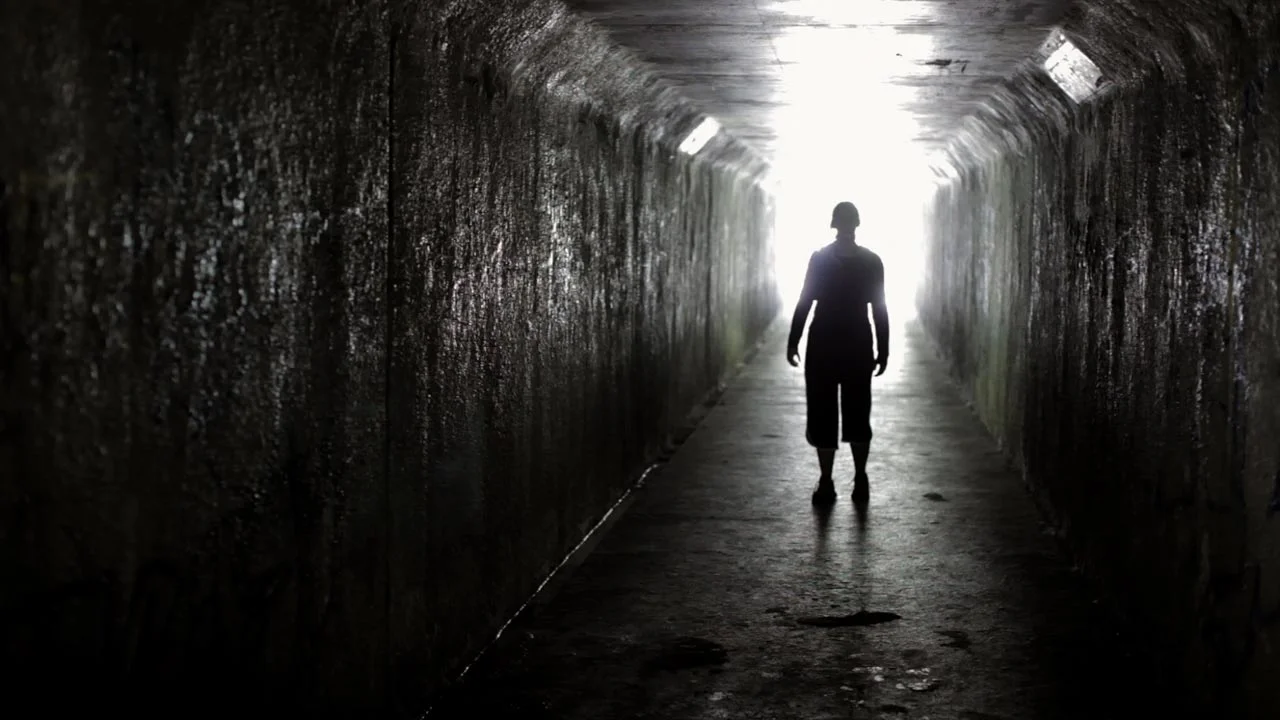
Liminal spaces are transitional spaces. Places designed to be passed through rather than occupied. Stairwells. Airport terminals. Parking garages. Hotel corridors. They aren’t destinations. They’re the in-between, the connective tissue of architecture that nobody ever really looks at directly.
The horror comes from encountering them wrong. Alone. At the wrong hour. Without context. Your brain goes looking for the people that should be there and finds nothing, and that nothing is somehow louder than any sound a monster could make.
It is, genuinely, one of the most psychologically sophisticated things the genre has ever produced. And it was invented on a message board by people posting photographs of empty office buildings at 2am. Horror finds a way.
Why It Gets Worse

Here’s the trap. Most horror loses its power the more you analyze it. You see the seams. You understand the mechanism. The shark starts to look like a prop. Liminal horror runs the opposite direction entirely. The more you think about it, the more places it colonizes.
You walk through a parking structure and your brain files it away. You pass through an empty airport gate and something in the back of your head goes quiet in a bad way. You get to work early and the office is dark and the carpet is that specific shade of beige and suddenly you are genuinely, inexplicably, standing in the middle of a horror concept at 7:45 on a Tuesday morning.
Liminal horror doesn’t live in the cinema. It lives in the world, waiting for you to notice it. Which you will now. Every single day. You’re welcome.
The Backrooms Built the Church

The modern liminal horror movement has a specific origin point, and it lives on the internet, as all cursed things do. The Backrooms started as a single image posted to 4chan. A photograph of an empty yellow-carpeted room under humming fluorescent lights that looked simultaneously like nowhere and everywhere. The caption described falling through reality itself and winding up there. Alone. With the faint sound of something that might be moving.
That image spawned a mythology. Then Kane Parsons made a found footage YouTube series about it that has now been watched sixty-six million times. Now A24 has a feature film coming in May with James Wan producing, and a budget that the original 4chan post very much did not have.
The internet invented a monster with no body, no face, and no motive beyond existing in a place you can’t leave. Then Hollywood looked at that and said “yes, that.”
That’s the correct response.
What Liminal Horror Is Actually About

Empty spaces aren’t scary because they’re empty. They’re scary because your brain is pattern-matching against everything it knows about how spaces work, and this one isn’t working. The social contract of architecture has been violated. Someone built this place for people and the people are gone, and the place is still here, still humming, still lit, still waiting.
That’s grief, actually. That’s what grief looks like when you put it in a building. The space where something used to be, kept functional, kept lit, for no one. Liminal horror keeps winning because it found the frequency that hums underneath every other fear and camped out there permanently. No sequel required. No franchise. No mythology to memorize.
Just an empty hallway and the sound of the fluorescent lights and the question of whether you should keep walking.
You should probably keep walking.
https://www.youtube.com/watch?v=videoseries